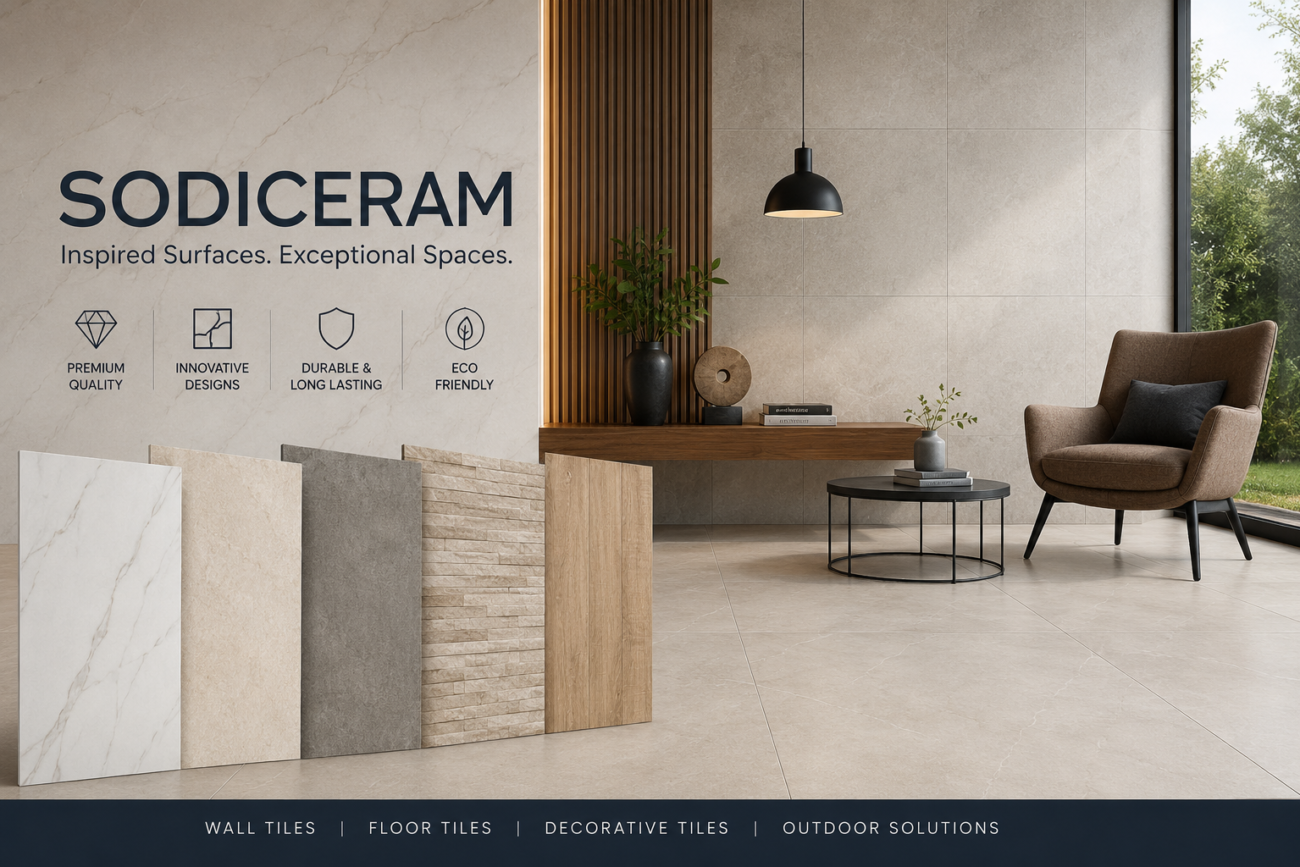
Ceramic tiles have become a central element in modern architecture and interior design. From residential homes to commercial developments, they offer a practical combination of durability, aesthetics, and ease of maintenance. Among the many manufacturers operating in this competitive sector, Sodiceram has established a reputation as a recognized name associated with quality ceramic tile production and design innovation.
As consumer preferences evolve and construction standards become more demanding, tile manufacturers must balance style, performance, and sustainability. Sodiceram represents a segment of the ceramic industry that continues to adapt to these changing expectations while maintaining the craftsmanship that has long defined ceramic products.
Understanding Sodiceram and Its Place in the Market
Sodiceram is known within the ceramic tile industry for producing a range of wall and floor tiles designed for residential, commercial, and architectural applications. Like many established ceramic manufacturers, the company operates in a market where product quality, design flexibility, and manufacturing standards play a critical role in long-term success.
The ceramic tile sector is highly competitive. Customers today are not simply looking for a surface covering; they want products that contribute to the overall character of a space. This shift has encouraged manufacturers such as Sodiceram to focus on design variety alongside technical performance.
Whether used in kitchens, bathrooms, living spaces, offices, or public buildings, ceramic tiles must meet expectations for both appearance and durability. Companies that consistently achieve this balance tend to earn lasting trust among architects, builders, and homeowners.
The Growing Importance of Ceramic Tiles
Before examining Sodiceram more closely, it helps to understand why ceramic tiles remain one of the most widely used building materials worldwide.
Ceramic tiles offer several practical advantages:
- Resistance to moisture
- Easy cleaning and maintenance
- Long service life
- Wide design flexibility
- Compatibility with various architectural styles
- Cost-effective installation options
Unlike some flooring materials that require frequent refinishing or replacement, ceramic tiles can retain their appearance for many years when properly installed and maintained.
This durability has made ceramic products particularly attractive in areas exposed to heavy foot traffic or regular moisture exposure.
Sodiceram’s Product Range
One of the strengths often associated with Sodiceram is product diversity. Modern construction projects rarely follow a single design trend, and manufacturers must provide options that suit different tastes and applications.
Wall Tiles
Wall tiles remain a core category within the ceramic industry.
Sodiceram’s wall tile collections are often selected for spaces such as:
- Bathrooms
- Kitchens
- Laundry areas
- Commercial washrooms
- Decorative interior walls
Wall tiles provide both protection and visual appeal. They help prevent moisture damage while creating clean, attractive surfaces.
Floor Tiles
Flooring applications require additional strength and wear resistance.
Sodiceram’s floor tile offerings are typically designed to withstand daily use while maintaining their visual quality over time. These products may be used in:
- Residential living rooms
- Hallways
- Retail stores
- Office environments
- Hospitality spaces
The ability to combine durability with design flexibility remains one of the most important factors influencing purchasing decisions.
Decorative Collections
Many modern consumers seek tiles that contribute to a specific design theme rather than simply serving a functional purpose.
Decorative ceramic collections often include:
- Textured surfaces
- Geometric patterns
- Stone-inspired finishes
- Wood-look designs
- Contemporary minimalist styles
These options allow designers to create unique visual effects without sacrificing the practical advantages of ceramic materials.
Design Trends and Innovation
The ceramic tile industry has undergone significant transformation over the past decade.
Advances in digital printing technology have expanded design possibilities considerably. Manufacturers can now replicate the appearance of natural materials with impressive accuracy.
Sodiceram, like many forward-looking ceramic producers, operates in an environment where innovation has become essential rather than optional.
Natural Stone Effects
Natural stone remains popular in interior and exterior design. However, genuine stone can be expensive and may require specialized maintenance.
Ceramic alternatives offer a practical solution by reproducing the appearance of marble, slate, limestone, and granite while reducing many of the associated maintenance concerns.
Wood-Look Tiles
Wood-inspired ceramic tiles continue to gain popularity.
They provide the visual warmth of timber while offering greater resistance to moisture and wear. This makes them particularly suitable for bathrooms, kitchens, and commercial environments where traditional wood flooring may not be ideal.
Large-Format Tiles
Large-format tiles have become increasingly common in modern architecture.
Their popularity stems from their ability to create cleaner visual lines with fewer grout joints. The result is often a more spacious and contemporary appearance.
Manufacturing Quality and Standards
Quality control remains one of the most important aspects of ceramic tile production.
A well-manufactured tile should demonstrate consistency in:
- Dimensions
- Surface finish
- Color variation
- Strength
- Water absorption characteristics
Even minor inconsistencies can create challenges during installation.
For manufacturers such as Sodiceram, maintaining production standards is essential not only for customer satisfaction but also for long-term brand credibility.
Modern ceramic manufacturing typically involves advanced production techniques that include automated processes, precision firing systems, and rigorous inspection procedures.
These technologies help ensure that finished products meet industry requirements while supporting large-scale production demands.
Sustainability in the Ceramic Industry
Environmental considerations are becoming increasingly important throughout the construction sector.
Architects, developers, and homeowners are paying closer attention to the environmental impact of building materials.
The ceramic industry has responded in several ways:
Energy Efficiency
Many manufacturers have invested in more efficient kiln technologies to reduce energy consumption during production.
Because firing temperatures are extremely high in ceramic manufacturing, even small efficiency improvements can produce meaningful environmental benefits.
Resource Management
Responsible sourcing of raw materials has become a growing focus across the industry.
Clay, feldspar, silica, and other materials must be managed carefully to support long-term sustainability goals.
Product Longevity
One often overlooked sustainability advantage of ceramic tiles is their lifespan.
A floor that lasts for decades generally requires fewer replacements and generates less waste than materials that need frequent renewal.
This durability contributes to a more sustainable building lifecycle overall.
Applications Across Different Spaces
The versatility of ceramic tiles explains their widespread adoption across many environments.
Residential Homes
Homeowners commonly choose ceramic tiles because they balance practicality with style.
Popular residential applications include:
- Kitchens
- Bathrooms
- Entryways
- Living rooms
- Outdoor patios
The broad range of colors and finishes allows homeowners to match virtually any design preference.
Commercial Buildings
Commercial spaces place greater demands on flooring materials.
Restaurants, shopping centers, hotels, and office buildings require surfaces capable of handling continuous use.
Ceramic tiles are often selected because they can withstand this level of traffic while maintaining a professional appearance.
Public Infrastructure
Schools, healthcare facilities, airports, and government buildings frequently incorporate ceramic materials due to their durability and ease of maintenance.
In these environments, long-term performance is often more important than short-term cost savings.
Factors Buyers Should Consider
Selecting ceramic tiles involves more than choosing a design.
Several practical factors should influence purchasing decisions:
Intended Use
Different environments require different performance characteristics.
A bathroom floor, for example, may require enhanced slip resistance, while a decorative wall installation may prioritize visual appeal.
Tile Size
Larger tiles can create a modern appearance, while smaller formats may suit more traditional designs.
Room dimensions often influence which option works best.
Maintenance Requirements
Although ceramic tiles are generally low-maintenance, surface finishes can affect cleaning routines.
Matte, polished, and textured surfaces each offer different benefits depending on the application.
Budget Considerations
Price should be evaluated alongside durability and expected lifespan.
A slightly higher initial investment may provide better long-term value if the product offers superior performance and longevity.
Why Ceramic Tiles Continue to Remain Popular
Building materials come and go in popularity, but ceramic tiles have remained relevant for centuries.
Part of their enduring appeal lies in their versatility. Few materials can offer such a broad combination of durability, design flexibility, moisture resistance, and affordability.
Manufacturers like Sodiceram continue to contribute to this legacy by adapting traditional ceramic craftsmanship to modern architectural needs.
As design trends evolve and construction technologies advance, ceramic products remain a reliable choice for both functional and decorative applications.
Frequently Asked Questions
What is Sodiceram known for?
Sodiceram is recognized for its ceramic tile offerings, including wall and floor tile solutions designed for residential and commercial spaces. Its reputation is largely tied to product quality and design variety.
Are ceramic tiles a good long-term investment?
In many situations, yes. Ceramic tiles are durable, easy to maintain, and can last for decades when properly installed, making them a practical long-term flooring and wall solution.
Can ceramic tiles imitate natural materials?
Modern manufacturing technology allows ceramic tiles to closely resemble materials such as marble, granite, slate, and wood while often requiring less maintenance.
Are ceramic tiles suitable for commercial buildings?
Yes. Many commercial environments use ceramic tiles because they handle heavy foot traffic well and are relatively easy to clean and maintain.
How do I choose the right tile size?
The best size depends on the room layout, design style, and intended use. Larger tiles often create a modern look, while smaller tiles can provide more detailed visual patterns.
Are ceramic tiles environmentally friendly?
Their environmental impact varies by manufacturer and production methods. However, ceramic tiles generally offer a long lifespan, which can reduce replacement frequency and contribute to sustainability goals.
Conclusion
Sodiceram represents the qualities that continue to make ceramic tiles a preferred choice in modern construction and interior design. By combining durability, functional performance, and a wide range of design options, the company reflects the evolving standards of today’s ceramic tile industry. As homeowners, architects, and builders seek materials that balance aesthetics with long-term value, ceramic tiles remain a dependable solution. Whether used in residential renovations, commercial developments, or large-scale architectural projects, products associated with Sodiceram demonstrate how traditional ceramic craftsmanship can adapt to contemporary design needs. The result is a versatile building material that continues to play an important role in shaping attractive, practical, and lasting spaces.
