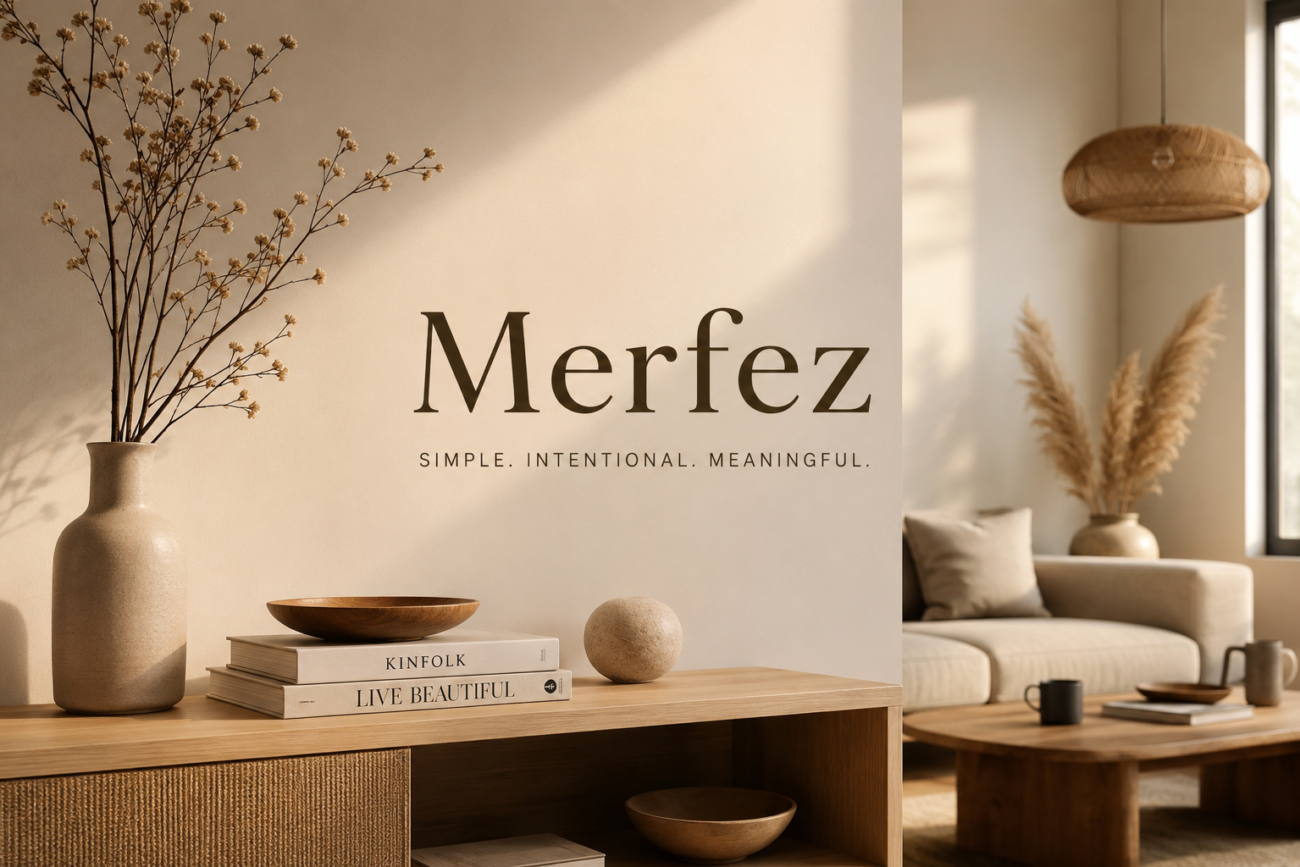
If you’ve recently searched for the term “Merfez,” you’re not alone. The word has been appearing across blogs, social media posts, lifestyle discussions, and digital platforms, often without a clear explanation.
That uncertainty is exactly what makes Merfez interesting.
Unlike established terms with fixed definitions, Merfez is still evolving. It functions more like a flexible concept than a traditional dictionary word. Depending on the context, it may refer to a design philosophy, a productivity approach, a brand identity, or a broader lifestyle idea centered around simplicity and intentionality.
As internet culture continues to shape language, new terms often gain traction before their meanings become standardized. Merfez appears to be following that pattern.
What Is Merfez?
At its core, Merfez is a context-driven term.
Rather than representing one specific product, company, or methodology, it serves as an adaptable label that different communities interpret in their own way.
Across online discussions, Merfez is commonly associated with several recurring themes:
- Simplicity without sacrificing comfort
- Thoughtful organization
- Creative expression
- Intentional living
- Digital clarity
- Warm, human-centered design
The common thread connecting these ideas is a preference for meaning over excess.
Whether someone uses Merfez to describe a workspace, a home aesthetic, or a workflow system, the underlying principle remains similar: remove unnecessary complexity and focus on what truly matters.
Why Is Merfez Gaining Attention?
The rise of Merfez reflects a broader shift in how people navigate modern life.
Many individuals are looking for ways to reduce digital overwhelm, create more intentional routines, and design environments that feel calm rather than chaotic.
Terms like “minimalism,” “slow living,” and “deep work” have become increasingly popular over the past decade. Merfez fits naturally alongside these ideas while offering a slightly more flexible interpretation.
Unlike rigid frameworks that prescribe exact rules, Merfez leaves room for personal adaptation.
That flexibility makes it appealing.
People can apply the concept to different areas of life without feeling restricted by strict guidelines or predefined systems.
The Different Meanings of Merfez
One reason Merfez can feel confusing is that it appears across multiple contexts.
Understanding these different interpretations helps clarify why the term continues to gain interest.
Merfez as a Lifestyle Philosophy
In lifestyle discussions, Merfez often refers to intentional simplicity.
This doesn’t necessarily mean owning fewer possessions or following minimalist trends. Instead, it emphasizes making thoughtful choices about how you spend your time, energy, and attention.
A Merfez-inspired lifestyle might include:
- Creating routines that reduce unnecessary decisions
- Prioritizing meaningful experiences over constant consumption
- Limiting digital distractions
- Designing spaces that support well-being
The goal isn’t perfection. It’s clarity.
Merfez in Home Design and Décor
Some creators associate Merfez with a warm, handcrafted approach to interior design.
Unlike highly polished spaces that feel more like showrooms than homes, Merfez-inspired interiors tend to focus on comfort, texture, and authenticity.
Common elements include:
- Natural materials such as wood, linen, and wool
- Handmade objects and artisan pieces
- Neutral or earthy color palettes
- Functional layouts with minimal clutter
The emphasis is on creating spaces that feel lived in rather than staged.
Merfez in Productivity and Workflows
Another interpretation of Merfez relates to productivity.
In this context, the concept encourages people to simplify systems instead of adding more tools, apps, or processes.
Many productivity methods fail because they become too complicated to maintain.
A Merfez approach asks a different question:
What can be removed?
Examples might include:
- Consolidating tasks into a single planning system
- Reducing unnecessary meetings
- Focusing on one important project at a time
- Establishing boundaries around notifications and communication
Rather than maximizing output, the focus shifts toward sustainable focus and meaningful progress.
Merfez as a Digital Identity
Because the term is distinctive and memorable, Merfez is also appearing as a brand name, content category, or online identity.
Unique words often gain traction online because they’re easier to search for and less likely to compete with existing terms.
This has made Merfez attractive for creators, publishers, and niche communities looking to build recognizable digital spaces.
As a result, people may encounter the word in entirely different contexts depending on where they see it.
The Appeal of Flexible Concepts
Merfez belongs to a growing category of internet-born terms that gain meaning through collective use.
Traditional language often develops slowly through formal institutions and established definitions. Digital language moves differently.
Today, words spread through:
- Search engines
- Social media platforms
- Online communities
- Content creators
- Brand ecosystems
A term doesn’t need a formal definition to become meaningful. Repeated use can create shared understanding over time.
This explains why people can recognize the feeling or idea behind Merfez even when they struggle to define it precisely.
How Merfez Compares to Minimalism
At first glance, Merfez and minimalism may seem identical.
There are similarities, but they are not the same.
Minimalism often focuses on reducing possessions or simplifying physical environments.
Merfez takes a broader view.
It considers not only what you own, but also how you work, create, communicate, and spend your attention.
Minimalism sometimes carries a sense of strictness or aesthetic uniformity.
Merfez tends to be more adaptable.
A person can embrace Merfez principles without following a particular design style or lifestyle trend.
The emphasis is less about owning less and more about choosing intentionally.
Practical Ways to Apply Merfez in Everyday Life
You don’t need to adopt an entirely new lifestyle to experiment with Merfez.
Small adjustments often have the greatest impact.
Consider these practical examples:
Simplify Your Workspace
Remove items that don’t support your daily tasks.
Keep essential tools within reach and reduce visual distractions.
A clear environment often leads to clearer thinking.
Review Your Digital Habits
Audit your notifications, subscriptions, and apps.
Ask yourself which digital tools genuinely add value and which create unnecessary noise.
Create More Intentional Routines
Identify recurring decisions that consume mental energy.
Simple routines for meals, work sessions, or exercise can free up attention for more meaningful activities.
Focus on Quality Over Quantity
Whether you’re choosing possessions, projects, or commitments, prioritize depth over volume.
Doing fewer things with greater intention aligns closely with the Merfez mindset.
The Future of Merfez
Because Merfez remains loosely defined, its meaning will likely continue to evolve.
Some emerging terms disappear quickly. Others develop into lasting cultural ideas.
The future of Merfez depends largely on how communities, creators, and brands continue to use it.
What makes the concept notable is its relevance to current challenges.
People are increasingly seeking ways to manage information overload, reduce distractions, and create more meaningful experiences.
Merfez reflects those priorities.
Even if its exact definition changes over time, the values associated with it—clarity, simplicity, and intentionality—are unlikely to lose relevance.
Common Misconceptions About Merfez
One common misunderstanding is that Merfez refers to a single product or company.
At present, there is no universally accepted definition.
Another misconception is that Merfez promotes extreme minimalism.
In practice, it focuses more on thoughtful choices than strict limitations.
Some people also assume the term is purely a marketing trend.
While it has gained attention through online content, the ideas connected to Merfez reflect broader cultural shifts toward balance and intentional living.
FAQ About Merfez
Is Merfez a real word?
Merfez is a real term in the sense that people actively use and search for it. However, it does not yet have a widely recognized dictionary definition.
What does Merfez mean?
The meaning depends on context. It may describe a lifestyle approach, a design philosophy, a productivity framework, or a digital identity.
Is Merfez the same as minimalism?
Not exactly. Minimalism often focuses on reducing possessions, while Merfez emphasizes intentional choices across multiple areas of life.
Why are more people searching for Merfez?
Curiosity plays a major role. As the term appears more frequently online, more people search for explanations, which further increases its visibility.
Can I apply Merfez principles to my daily routine?
Yes. Simple changes such as reducing distractions, creating intentional routines, and focusing on meaningful priorities align well with the concept.
Does Merfez have an official definition?
At the moment, no single organization or authority defines Merfez. Its meaning continues to evolve through community usage and online discussions.
Conclusion
Merfez represents a growing desire for clarity in a world filled with constant noise and competing demands. While the term may not have a single, universally accepted definition, its underlying themes remain consistent: intentional choices, thoughtful design, and a focus on what adds genuine value. Its flexibility is part of its appeal. Whether applied to personal routines, digital habits, creative work, or living spaces, Merfez encourages a more deliberate way of approaching everyday life without imposing rigid rules or expectations. As language and online culture continue to evolve, the meaning of Merfez may expand and shift. What is unlikely to change is the need for balance, simplicity, and purpose—qualities that have made the concept increasingly relevant to modern life.
